The Rise of Gaming Marketplaces: How Virtual Item Trading Became a Real Economy
Virtual items in video games now change hands for real money every day, creating an economy that rivals some small industries. What began as simple loot drops and cosmetic rewards has grown into a complex marketplace where supply, demand, and trust matter as much as they do in traditional commerce.
This shift is visible across popular titles, especially long-running games with deep item systems. Players who once traded informally on forums now use structured platforms to buy d2r items and sell rare gear with clear prices and delivery expectations. YesGamers sits within this wider movement, where gaming platforms resemble e-commerce sites more than fan communities.
From Hobby Trading to Digital Markets
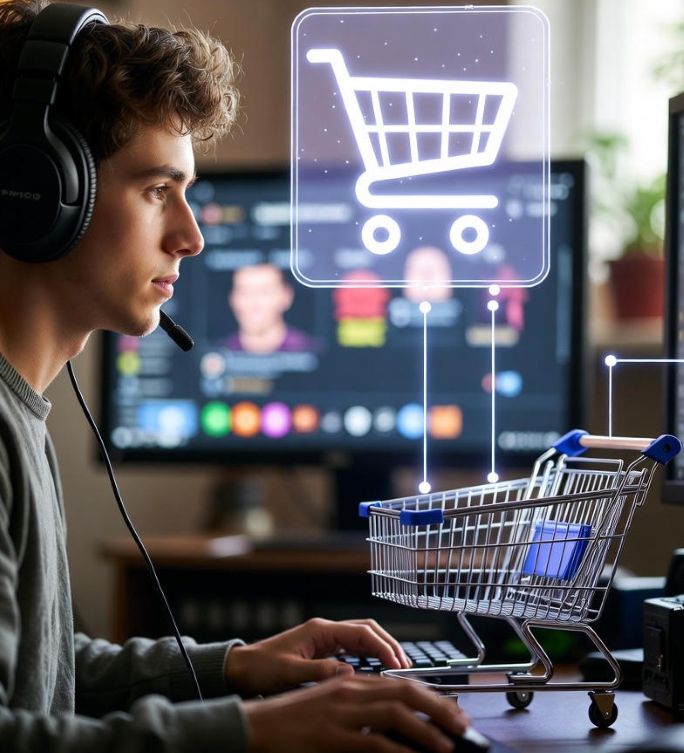
Early item trading was casual. Players swapped gear with friends or bartered in chat channels. As online games matured, rare items became harder to find and more valuable. That scarcity pushed players to seek safer and faster ways to trade beyond the game itself.
Marketplaces emerged to fill that gap. They introduced listings, customer support, and reputation systems. Over time, these features helped normalize spending real money on virtual goods. For many players, buying an item felt no different from purchasing downloadable content or a game expansion.
Why Virtual Items Carry Real Value
Value in gaming economies comes from time, skill, and rarity. Some items require hundreds of hours to obtain. Others depend on chance, making them scarce by design. When time becomes limited, money steps in as a shortcut.
This exchange reflects a broader digital trend. People pay for convenience, status, and experience. A rare sword or armor set carries social meaning inside the game world. It signals progress and dedication. That perception turns pixels into assets, even if they exist only on a server.
YesGamers and the News Around Gaming Commerce
Platforms like YesGamers now appear in discussions beyond gaming blogs. They are part of news stories about digital labor, online marketplaces, and consumer behavior. When players buy d2r items through third-party services, it raises familiar questions seen in other digital markets.
Who owns a virtual item once money changes hands. What protections exist if a transaction fails. How do platforms ensure fairness without direct control over the game itself. These are the same concerns raised around digital art, streaming platforms, and online resale markets.
Regulation Enters the Conversation
As gaming marketplaces grow, regulators pay closer attention. Some regions already examine virtual item trading under consumer protection laws. Others look at it through the lens of digital goods and services.
The challenge lies in classification. Virtual items are not physical products, yet they hold monetary value. Marketplaces operate globally, while laws remain local. This gap creates uncertainty for players and platform operators alike.
Trust as the Core Currency
Trust keeps these economies alive. Players need confidence that items will be delivered as promised. They also expect secure payment systems and responsive support. Without trust, the market collapses into scams and disputes.
Established platforms invest heavily in process and transparency. Clear listings, delivery guarantees, and dispute resolution build confidence over time. This mirrors trends seen in online retail and freelance marketplaces, where reputation often matters more than advertising.
Digital Ownership and Player Identity
Ownership in games remains a gray area. Technically, items belong to the game publisher. Emotionally, players feel ownership because of the effort involved. That emotional stake drives spending and trading.
When players return to marketplaces to buy d2r items again, they reinforce this sense of ownership. Each transaction strengthens the idea that virtual goods deserve the same respect as other digital purchases.
READ ALSO: Discovering Digital Art Through Gaming and Social Media
Where the Real Economy Meets the Virtual One
Gaming marketplaces now sit at the intersection of entertainment, commerce, and culture. They reflect how people value time, skill, and experience in digital spaces. As platforms like YesGamers continue to grow, the line between play and trade becomes harder to see.
What once felt niche now feels normal. The rise of these markets suggests that virtual economies are no longer side stories. They are part of how modern commerce works, and how players define ownership in digital worlds.

 Italy has always been a key destination for people seeking new opportunities in Europe. With its rich culture, strong public healthcare, and beautiful landscapes, it continues to attract migrants who apply for Italy’s digital nomad visa from around the world. However, the process of relocating to Italy has changed in recent years, especially with new policies in place. Here’s what you need to know about the latest updates and how the media is shaping the conversation around immigration in Italy.


 Providing towing service San Jose is a thriving but risky business especially on the part of operators and drivers who face imminent danger as first responders to accidents. Last year alone several tow truck drivers met their untimely demise while performing their tasks as first responders.
 Early January this year in Metro Atlanta, there were news reports about three tow truck drivers killed by motorists who did not pay heed to the “Move Over” Law. In line with this, the association of tow truck drivers in Atlanta, are pleading for motorists to obey the federal “Move Over Law.” In 2023 alone, a total of 20 tow truck drivers died while responding to emergency situations.






 Most Inspiring Technology Today The Network

 In the media, credibility is often linked to the number of followers. Partnerships, greater sponsorship fees, and chances to monetize can be unlocked with high numbers. Media companies and influencers see buying followers as a quick fix for building credibility, regardless of how low the engagement actually is.
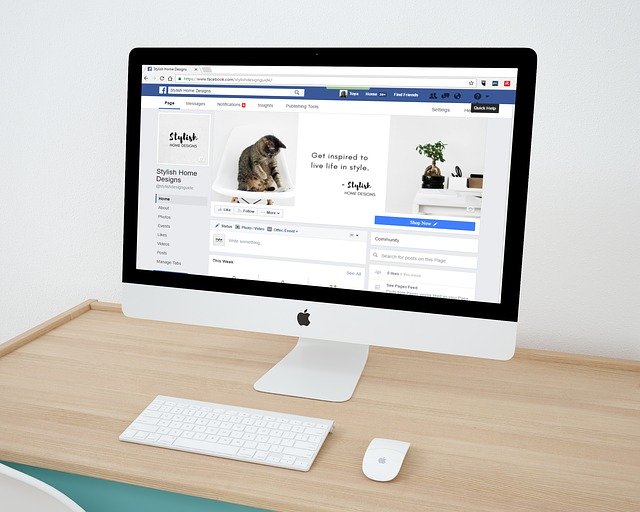
 Social media platforms like Facebook, Instagram, and TikTok have redefined news and entertainment. People no longer wait for a scheduled news broadcast. Instead, they get real-time updates from their smartphones. This accessibility has reshaped journalism, making it more interactive and immediate.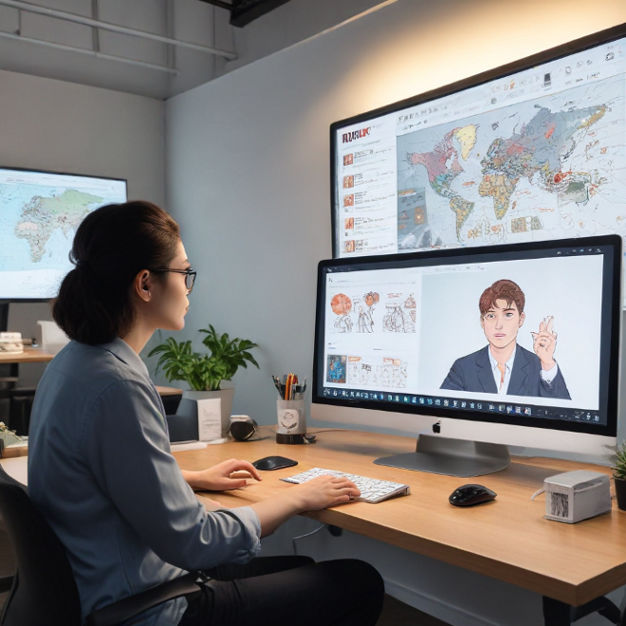





 In today’s world, social media is ubiquitous in our daily lives. While social media platforms offer numerous benefits, such as connecting us with others and providing a platform for self-expression, research shows that excessive social media use can have a negative impact on our mental health. However, we can promote self-care and mental health by incorporating positive affirmations into our


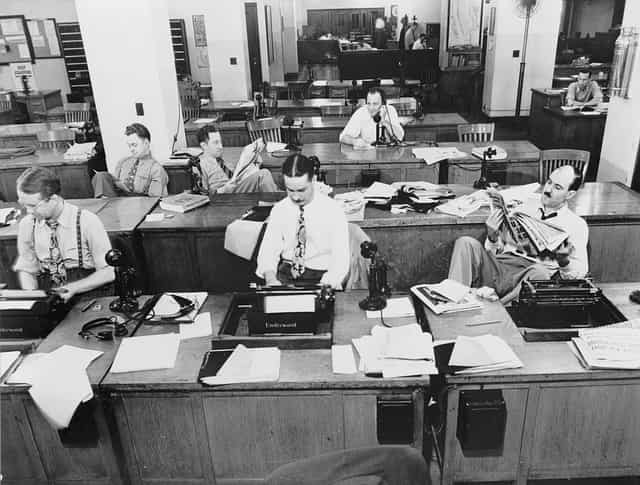
 Although that is not far from the meaning of media, a career in this field can be other than journalism-related. After all, media refers to a network of agencies involved in the dissemination of information.
 Yet unfortunately in recent years, several career men and women, especially in the
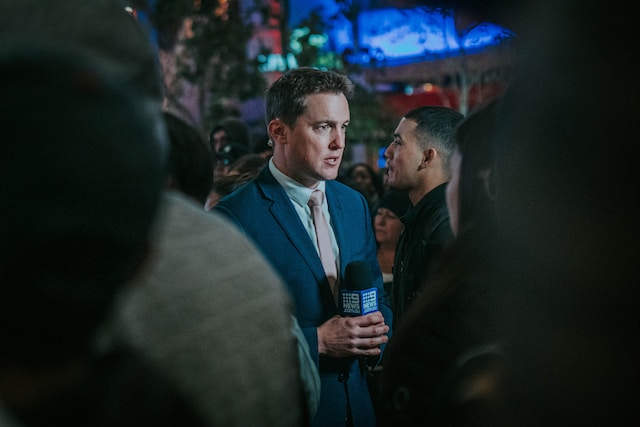
  by identifying, uncovering and in helping maintain transparency of information transmitted to the general public. Mainly because part of your responsibility as a member of the news industry is to uphold the people’s right to access genuine and unbiased information.
 Server hosting is a service where your website and its data are stored on a server. The server is usually owned by the company that provides the hosting services, but you are free to choose the server location. The company that provides the service will have their own proprietary software and hardware running on a dedicated server. This is what allows them to offer different levels of service for different prices, with more features available at higher prices.
 As a parent, you’re likely to use playpens